

One Riff, Three Styles: How to Transform Your Playing

Ever feel like you’re stuck in a loop with your guitar? You’ve got your go-to licks, your trusty chord shapes, and that one riff you nailed, but it all sounds... well, the same. It’s a common rut, even for the legends. The secret to breaking free isn't learning a thousand new scales; it’s learning how to make the material you already know sound like a thousand different songs.
We're going to take one simple, four-bar riff—something straightforward, maybe a basic minor pentatonic figure—and run it through a transformation. Forget the metronome for a second. We’re chasing feel, not perfection.
1. The Clean, Open Vibe: Coffee Shop Acoustic
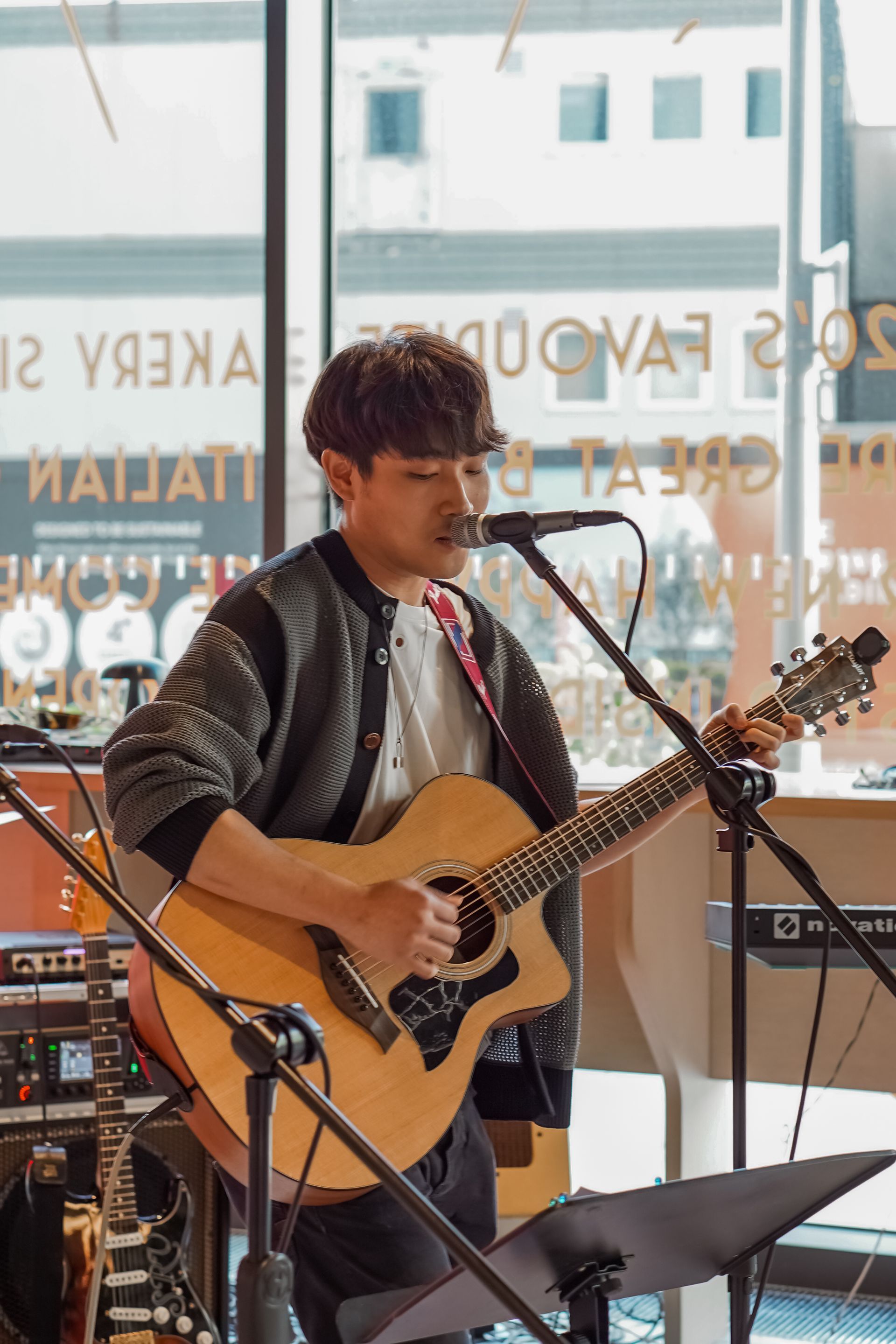
Think laid-back, sun through the window, vintage denim. This is where the riff is stripped down to its bare essence.
- Dynamics: Keep your attack light, almost conversational. No need to hammer the strings.
- Tone: Use a clean, bright tone—either an acoustic guitar or a clean electric sound with a touch of reverb. Avoid distortion entirely.
- Rhythm: Focus on the spaces between the notes. Use subtle, ghost-note strumming on the muted strings to add a rhythmic pulse, mimicking a light hi-hat.
- Flavor: Add small, effortless open-string drones between the riff notes. Let a low E or A string ring out slightly underneath the melody. It adds depth and a harmonic tail that just breathes. It's not about being loud; it’s about being present.
The goal here is texture. The riff shouldn't feel like a line of notes; it should feel like a groove you can sink into.

2. The Gritty, Low-Slung Shuffle: Delta Blues
Now, let's get dirty. Take that same riff, but drop the tuning a half or whole step (D standard or Drop C is fantastic). This instantly changes the entire atmosphere.
- Dynamics: Dig in. Attack the strings closer to the bridge for a sharper, more aggressive tone.
- Tone: Introduce a little grit—a light, warm overdrive. Not a high-gain scream, but the sound of a tube amp being pushed. Dial back the treble slightly.
- Rhythm: This is all about the pocket. Push and pull the timing slightly. Focus on a triplet feel—a slow, swaggering shuffle.
- Flavour: Use heavy, deliberate bends and vibrato, almost fighting the string. Slide into the notes from below, and mute the riff notes quickly after striking them with the picking hand (palm muting). This is crucial. It gives the riff its percussive, punchy attitude, making it sound older, wiser, and a little dangerous.
This style demands you stop thinking and start feeling the rhythm in your hips.
3. The Galactic, Head-Nod Groove: Neo-Soul/Haze
Time to bring it back to the future. This style is smooth, complex, and utilizes modern effects for a dreamy quality.
- Dynamics: Ultra-smooth. Use your fingers instead of a pick for a rounder, warmer attack.
- Tone: Clean signal with heavy modulation. Think lush chorus, a deep phaser, and a long, ambient delay that repeats the riff rhythmically.
- Rhythm: Play the riff itself straight, but pay attention to the muting. Use your fretting hand to silence the strings immediately after the note sounds. This creates a staccato, funky effect where the notes are precise, not sustained.
- Flavour: Introduce exotic chord extensions just before or after the riff. Play the riff, then quickly grab a dominant 7th chord with a flat 9 or a minor 11th.These sophisticated voicing frames the simple riff and give it a whole new harmonic dimension, instantly making it sound slick and effortless.
The riff hasn't changed. The notes are the same. You changed the context.
That’s the difference between a technician and an artist. The technician learns the moves; the artist learns how to make those moves mean something different every time they're played. Stop practicing new things and start transforming the old. Your guitar playing will never be stuck again.
Ready to try that with another simple lick?