

Gear of the Greats: How eric clapton achieved their tone.

George Francis-Merry • May 17, 2026
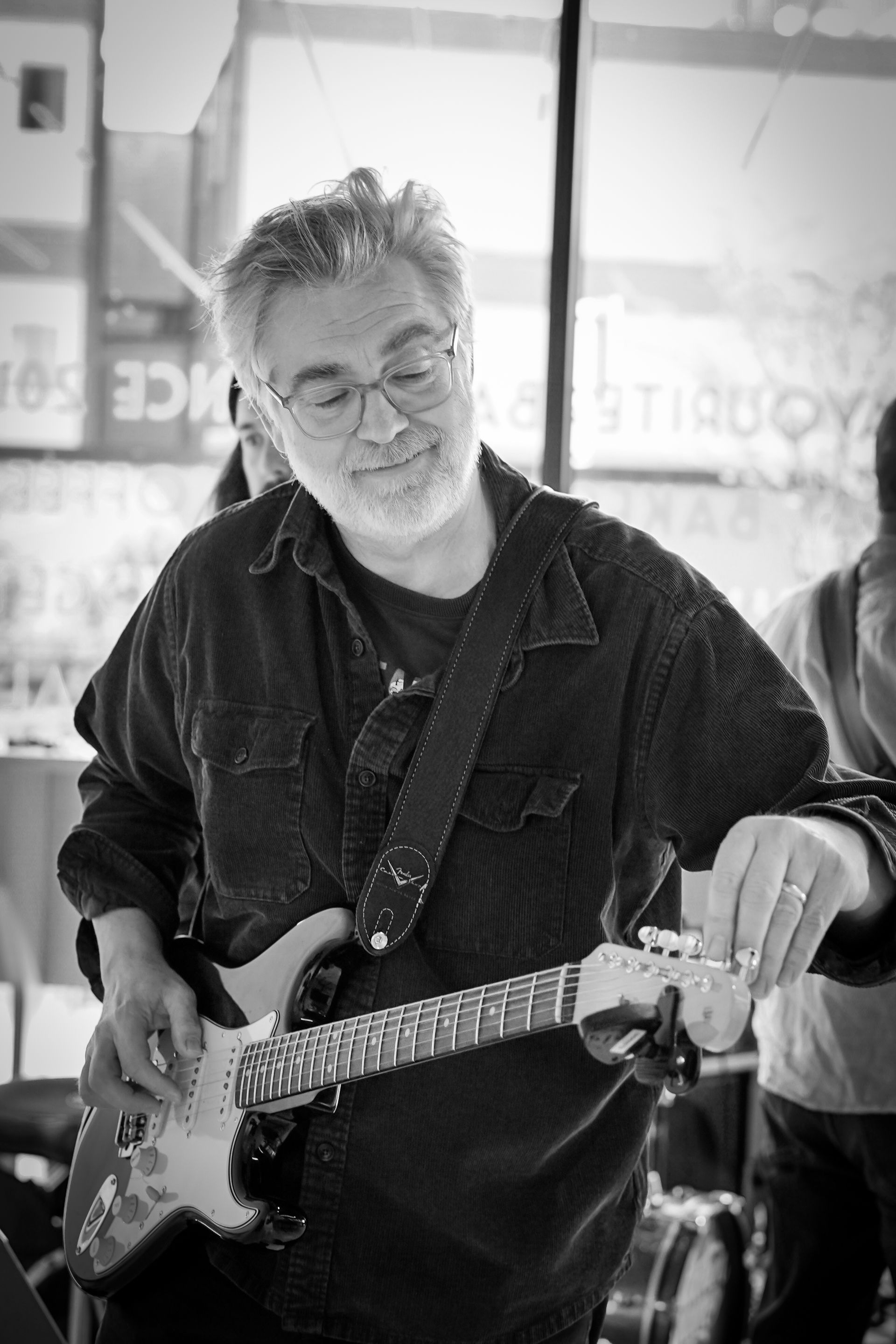
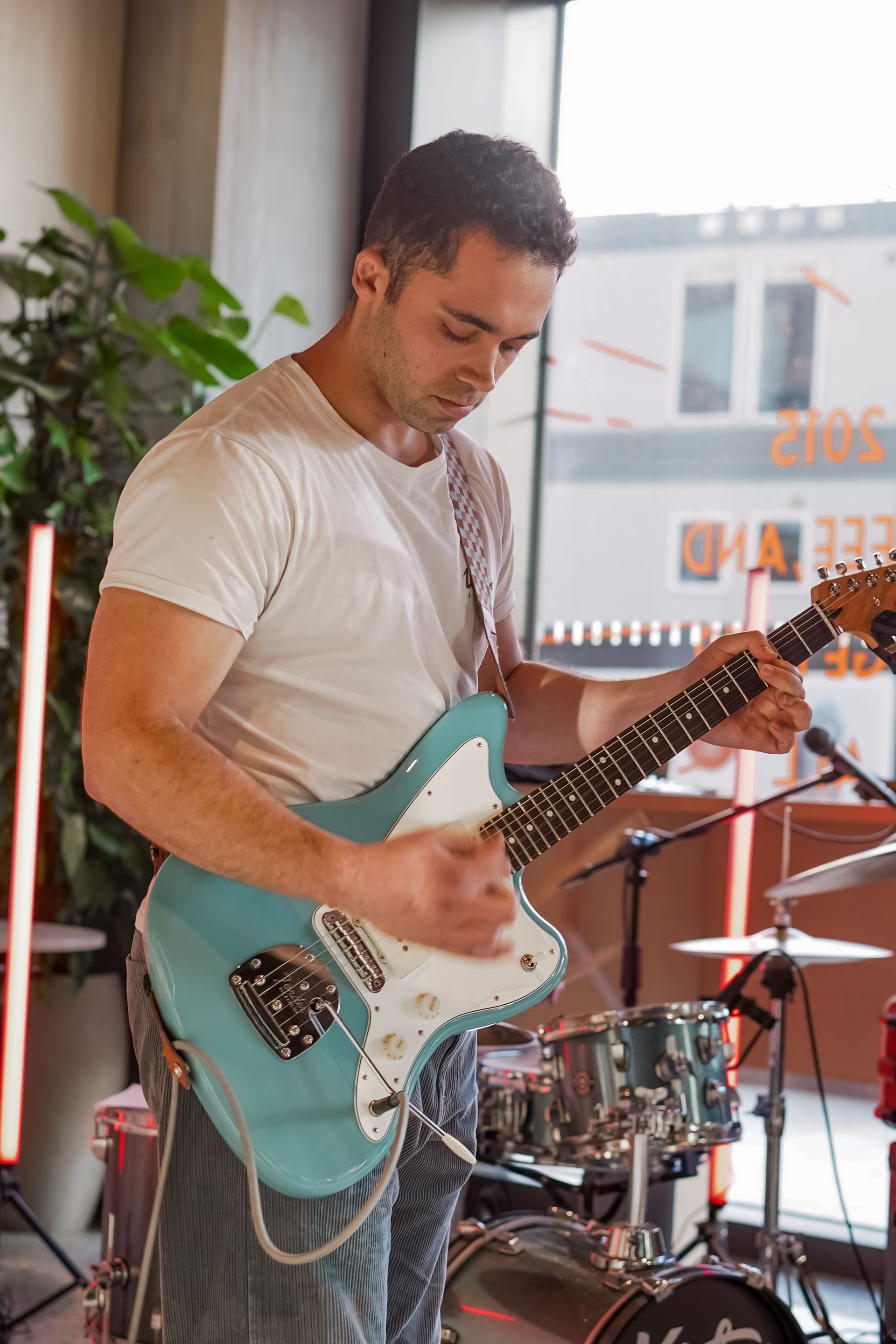
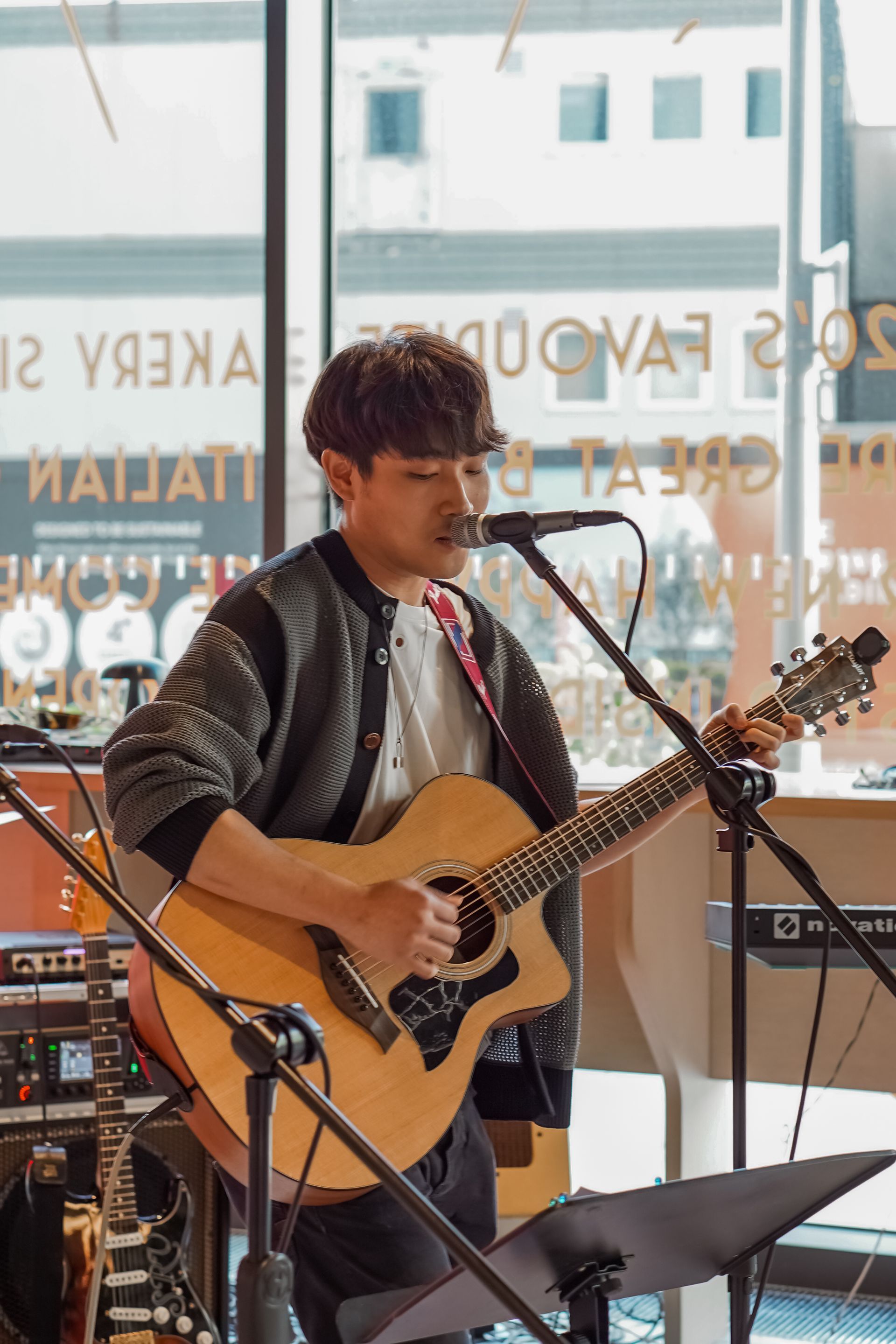
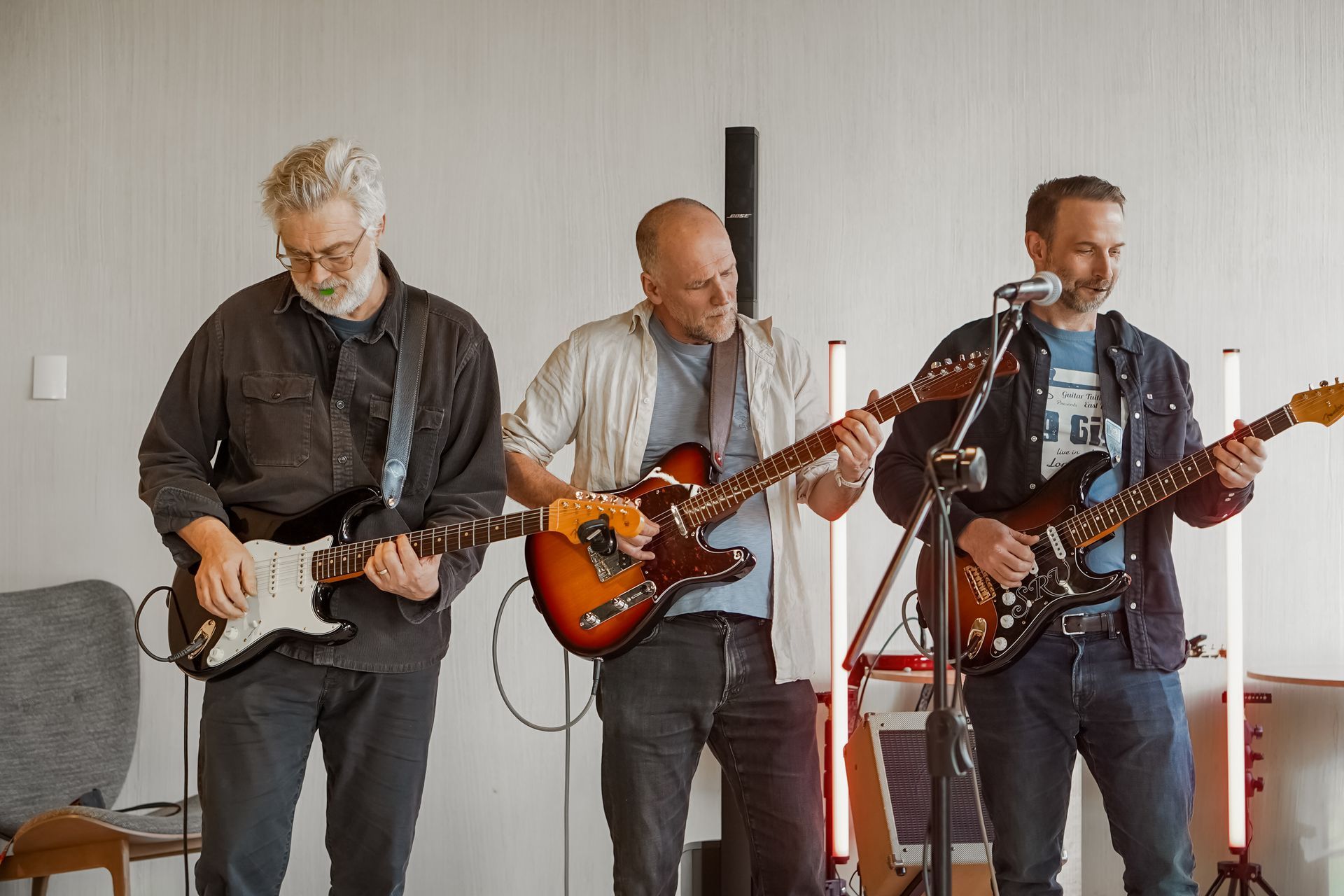
Musicians playing guitars on a small indoor stage, with microphones and warm lighting

Let’s be real: you don't get a nickname like "God" in 1960s London just by playing the right notes. You get it by making a guitar sound like it’s weeping, screaming, and breathing all at once.


Eric Clapton’s tone isn’t just one thing—it’s a decades-long evolution of wood, wire, and a very specific kind of swagger. Whether you’re after the "Beano" bite or the silky "Woman Tone," here is how the man himself engineered the sound that defined generations.


The "Beano" Era: The Big Bang of British Blues


In the mid-60s, Clapton plugged a 1960 Gibson Les Paul Standard into a Marshall Model 1962 combo amp. This wasn’t just a gear choice; it was a revolution.


Before this, guitarists were told to keep things clean. Clapton did the opposite. By cranking that Marshall 2x12 until the tubes were screaming, he created a thick, sustain-heavy crunch that changed everything.


  • The Secret Sauce: It’s all about the P.A.F. (Patent Applied For) humbuckers. Those pickups provided a warm, mid-range punch that cut through the mix like a velvet knife.


  • The Technique: Heavy vibrato and aggressive string bending. If you aren't making the guitar fight you a little, you aren't doing it right.


Chasing the "Woman Tone"


When Clapton moved on to Cream, he swapped the Les Paul for "The Fool"—his psych-painted 1964 Gibson SG. This is where we got the legendary Woman Tone.


It’s a sound that’s dark and creamy, yet articulate enough to hear every nuance of his phrasing. Achieving it is simpler than you think, but harder to master:


  1. Switch to the neck pickup.
  2. Roll your tone knob all the way down to zero.
  3. Turn your volume and gain up high.


The result is a flute-like sustain that removes the "harsh" highs but keeps the soul. It’s thick enough to chew on.

White “Kitchen Jamo” script logo on a black background.

The Switch to "Blackie" and the Stratocaster


By the 70s, Clapton shifted gears entirely. He moved away from the thick Gibson humbuckers toward the glassy, percussive chime of the Fender Stratocaster. Enter "Blackie," a DIY composite of three different vintage Strats.


This era is characterized by a "quack"—that specific out-of-phase sound you get in positions 2 and 4 on the pickup selector. It’s cleaner, sparkier, and allowed for the more laid-back, "Lay Down Sally" vibe of his solo career.


The Modern Rig: Mid-Boost Magic


If you look at Clapton’s signature Fender Strat today, there’s a hidden weapon under the hood: the active mid-boost circuit.


Because he got used to the "fat" sound of those old Gibsons, he had Fender install a preamp that boosts the mid-frequencies at the turn of a knob. This allows him to go from a thin, crystal-clear chime to a thick, humbucker-style lead tone without ever touching a pedal or switching guitars.


How to Get the Vibe (Without the Rockstar Budget)


You don't need a $20,000 vintage rig to channel Slowhand. To get in the ballpark:


  • Focus on the Mids: Most of Clapton's iconic tones live in the middle of the EQ spectrum. Don't "scoop" your mids; embrace them.


  • The Fingers: Clapton’s tone is 90% in his touch. His "slow" hand is actually a masterclass in economy of motion and perfect intonation.


  • Dynamics: Learn to use your guitar’s volume knob as your primary "distortion" pedal. Roll it back for verses, dime it for the solo.


At the end of the day, Clapton’s tone is about emotion over ego. He never plays more than he needs to, but every note he does play sounds like it was meant to be there.

A musician sits in a recording studio, playing an instrument. Guitars hang on the wall, Marshall amps nearby.
By George Francis-Merry May 24, 2026
Unlock the secrets of Jimi Hendrix’s legendary tone. From flipped Strats to dimed Marshall stacks and Fuzz Faces, discover the gear that defined a revolution.
A person playing an electric guitar. They wear a white jacket. Black and white photo.
By George Francis-Merry May 10, 2026
Dive into the beautiful madness of building a Partscaster. From custom shop tones to DIY headaches, learn why your first guitar build is the ultimate obsession.
Man playing bass guitar in a studio. Black and white, stage lights.
By George Francis-Merry May 4, 2026
Explore why "relic" guitars cost more and feel better. From broken-in ergonomics to nitro finishes, discover why players choose the "fell off a truck" look.
Electric guitar leaning against a stool below a red
By George Francis-Merry April 26, 2026
Meet the hidden legends behind your favorite records. These 5 session guitarists played on the world's biggest hits while staying anonymous. Discover the music.
Man playing guitar and singing into a microphone, with a drummer and keyboard player in the background.
By George Francis-Merry April 19, 2026
Explore the legendary history of the Gibson Les Paul. From "The Log" to the iconic 1959 Burst, discover how this guitar shaped the sound of rock and roll history.
Musicians playing guitar at outdoor cafe. One man plays a white guitar. Others watch.
By George Francis-Merry April 12, 2026
Discover how the Fender Stratocaster went from a 1954 "space-age" tool to the iconic voice of Hendrix and Gilmour. Explore the guitar that defined modern music.
Band playing guitars in a music store, guitars on the wall, stage, amplifiers, chairs.
By George Francis-Merry April 5, 2026
Stop chasing tone with pedals. Learn how a simple screwdriver and pickup height adjustments can fix muddy tone and unlock your guitar's true potential today.
Band performing indoors with an audience; guitarist, vocalist, and drummer play in a bright room.
By George Francis-Merry March 29, 2026
Don't let a broken cable ruin your show. Check out our essential gig bag checklist to ensure you have the spare strings, tools, and gear needed for every set.
Acoustic guitar resting on a bed, black and white image.
By George Francis-Merry March 22, 2026
Is tonewood a sonic fact or a luthier's myth? Explore the science of pickups versus the resonance of wood in our balanced guide to the ultimate guitar debate.
A band performs live in a brightly lit cafe setting.
By George Francis-Merry March 15, 2026
Stop overpaying for tone. Discover the "hidden gem" guitars and pedals that sound boutique without the price tag—from Squier Classic Vibes to Joyo’s secret weapon.
Show More