
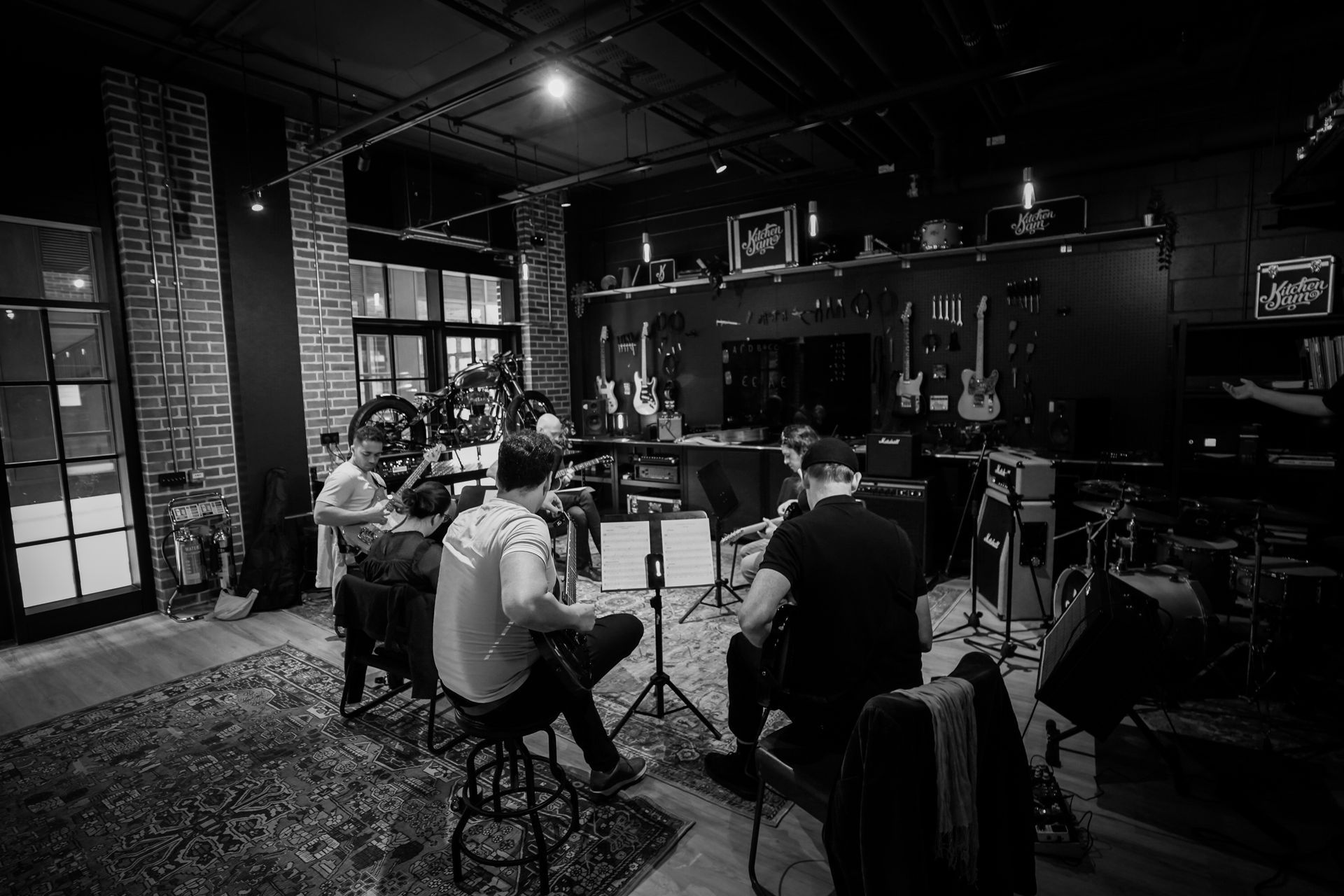
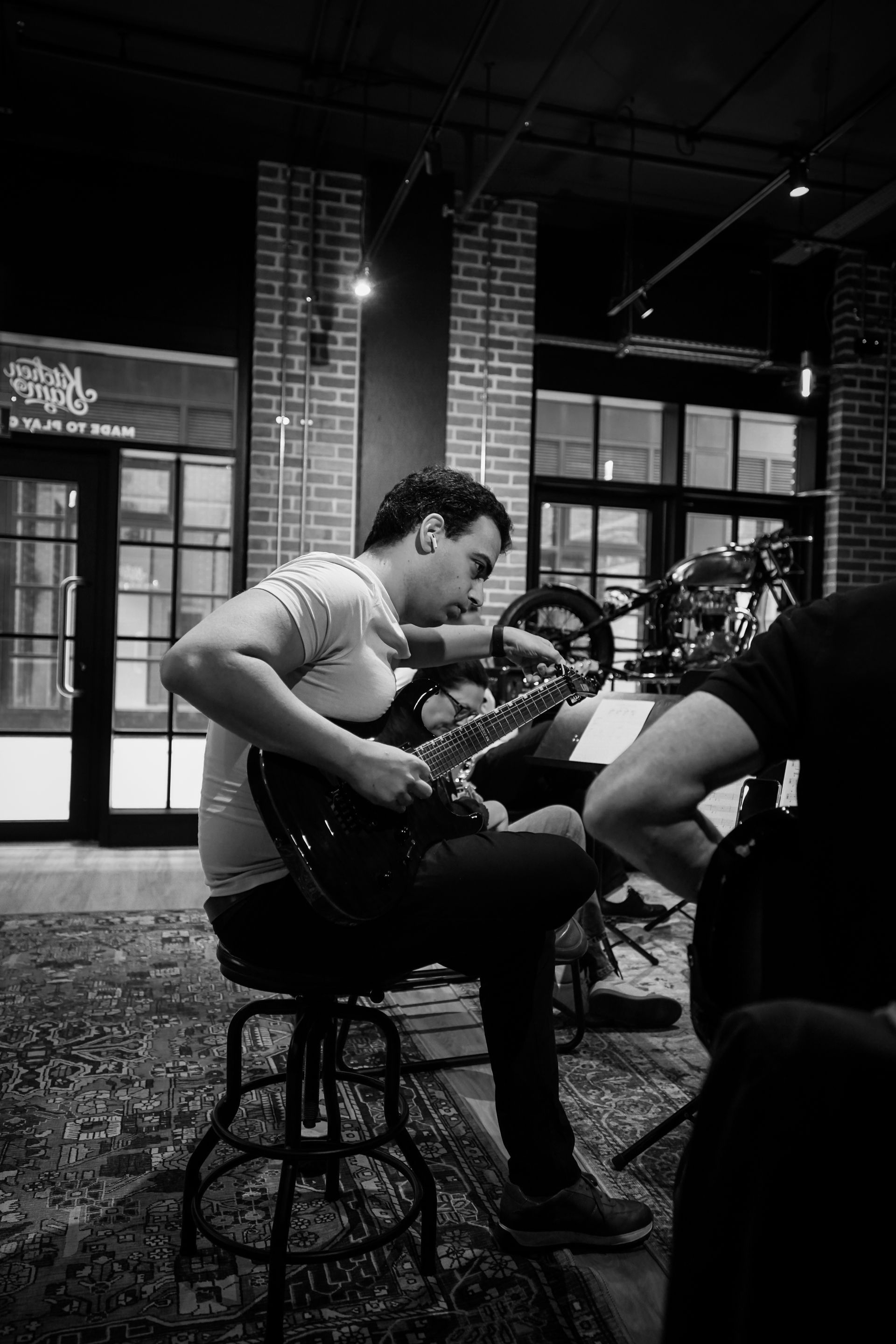
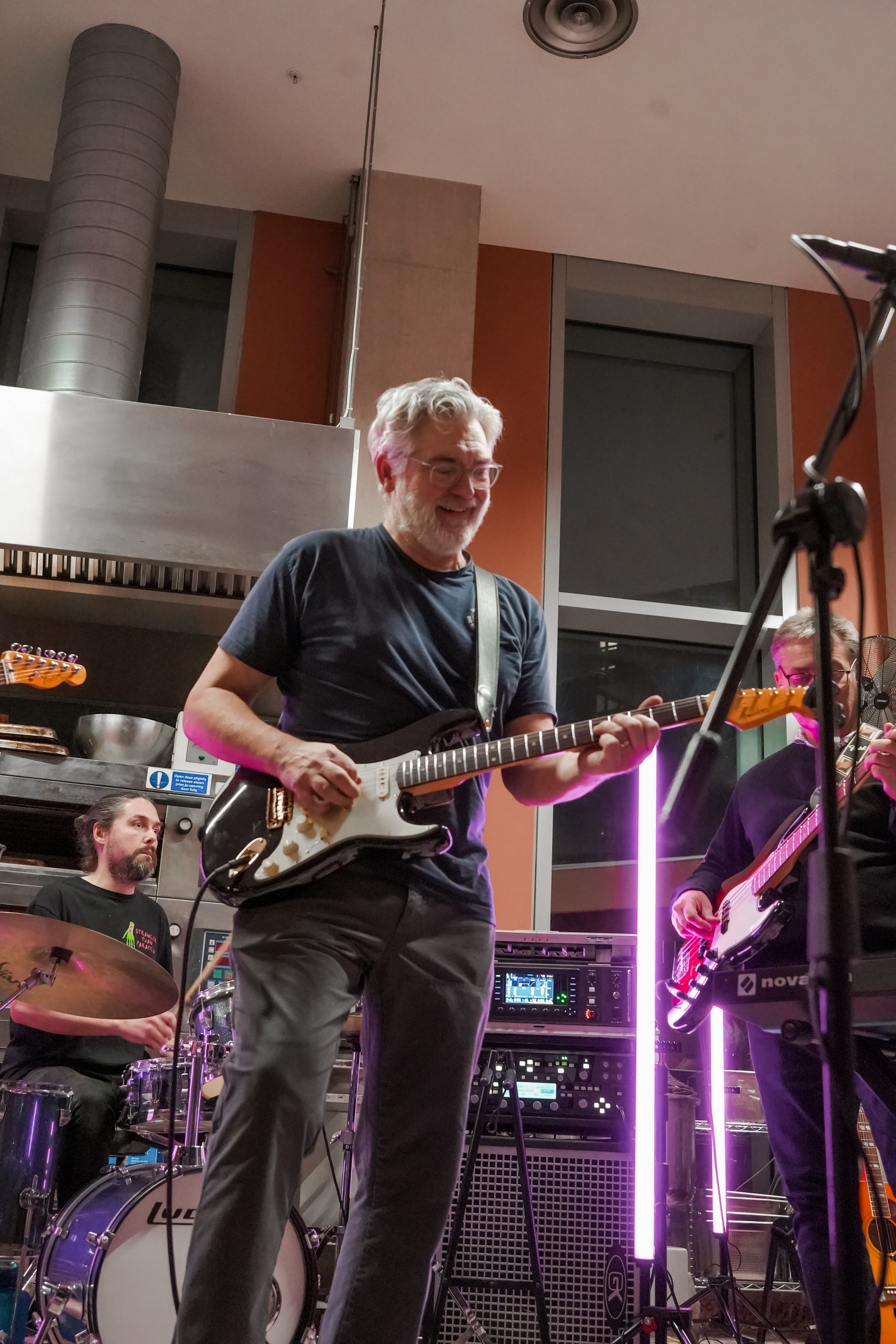
Looking for music stores E14? Discover top guitar shops near Canary Wharf and get an essential beginner guitar gear checklist to buy your first setup today.

Upgrade your commute playlist with the best guitar riffs of all time. Learn rock guitar London style at Kitchen Jam in Canary Wharf and play them live today!

Watch Canary Wharf buskers in action and learn how street music London acts build confidence, plus key tips on how to perform live on guitar with real poise.
Looking for live music Canary Wharf spots? Enjoy live jazz E14 style at Boisdale Canary Wharf and discover the best bars Canary Wharf music lovers recommend.
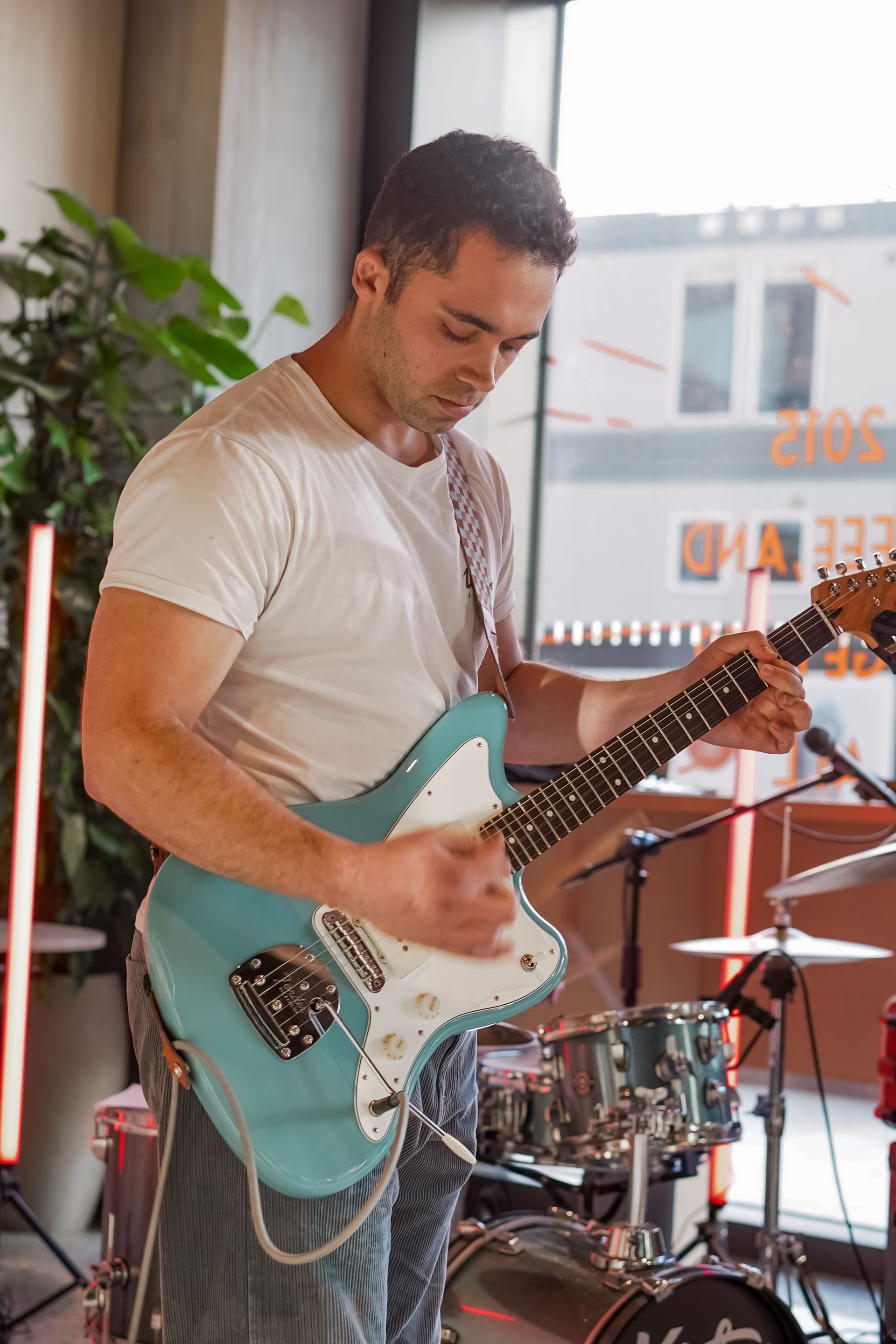
From Stratford guitar lessons to our Canary Wharf music school, discover why the East London music scene and live music East London culture are evolving now.
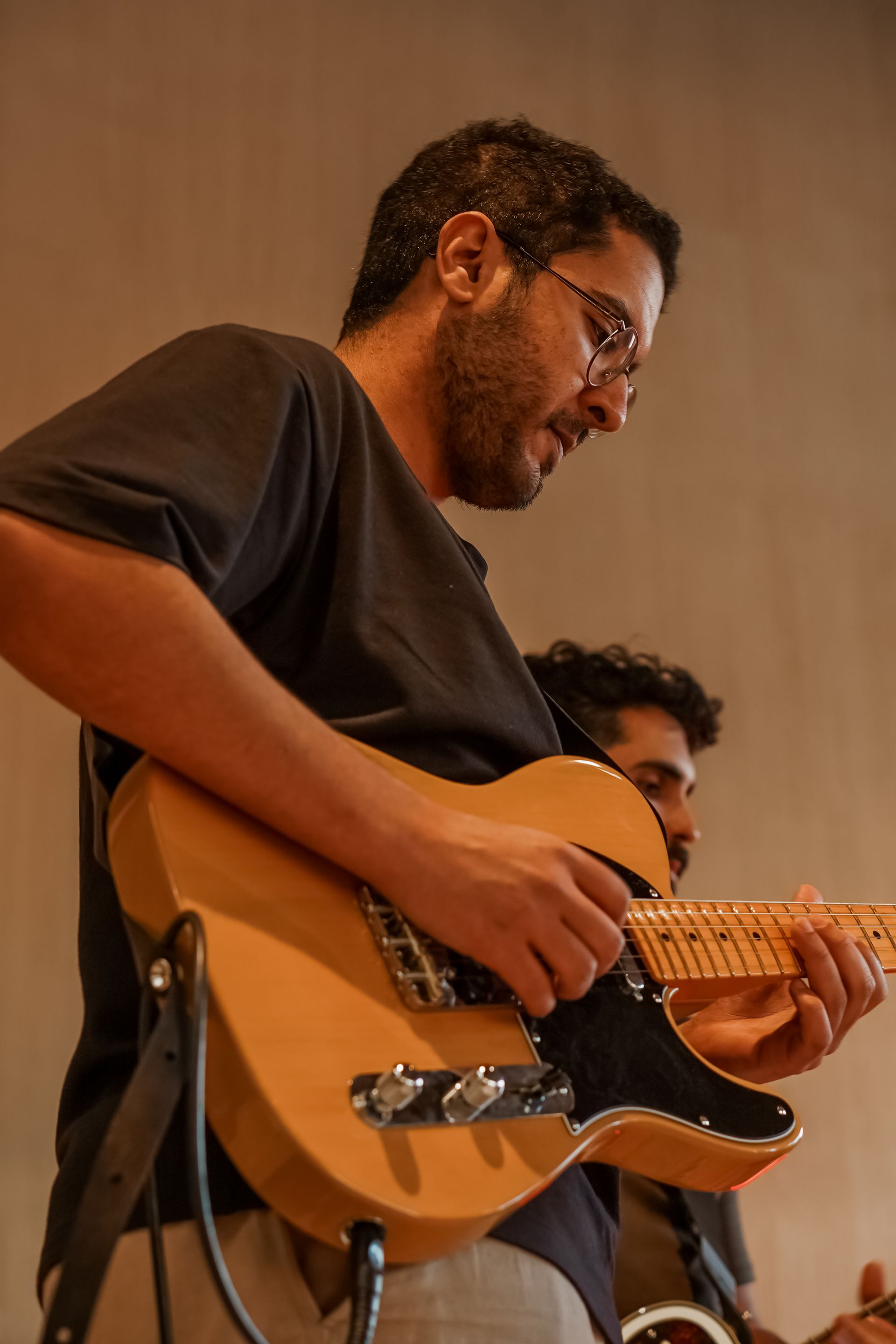
Love playing guitar in apartment spaces but worry about noise? E14 residents can master silent guitar practice with a headphone guitar amp and clever setups.
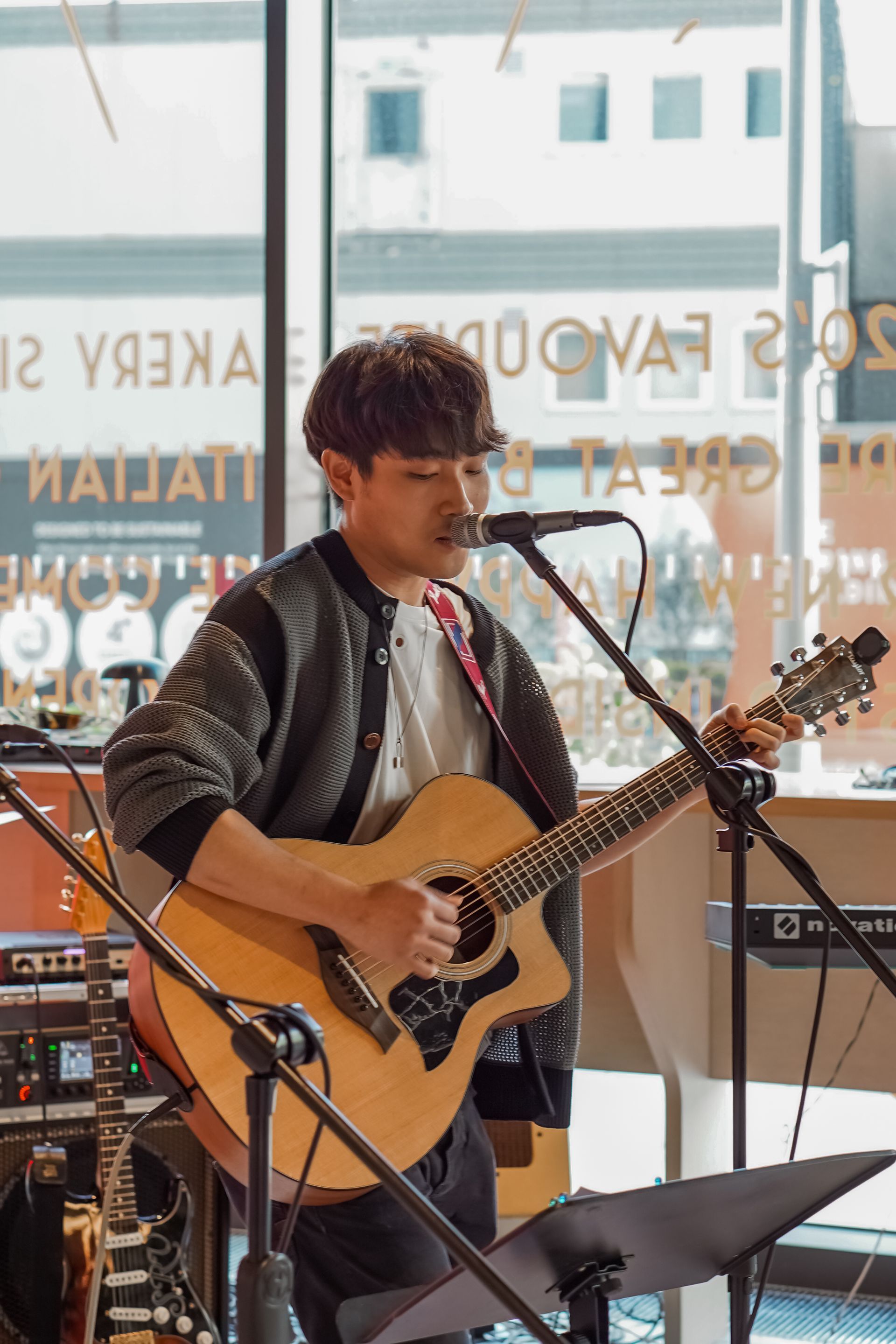
Short on time? Compare acoustic vs electric beginner gear to find the best beginner guitar for adults, and see where to buy guitar Canary Wharf locals trust.
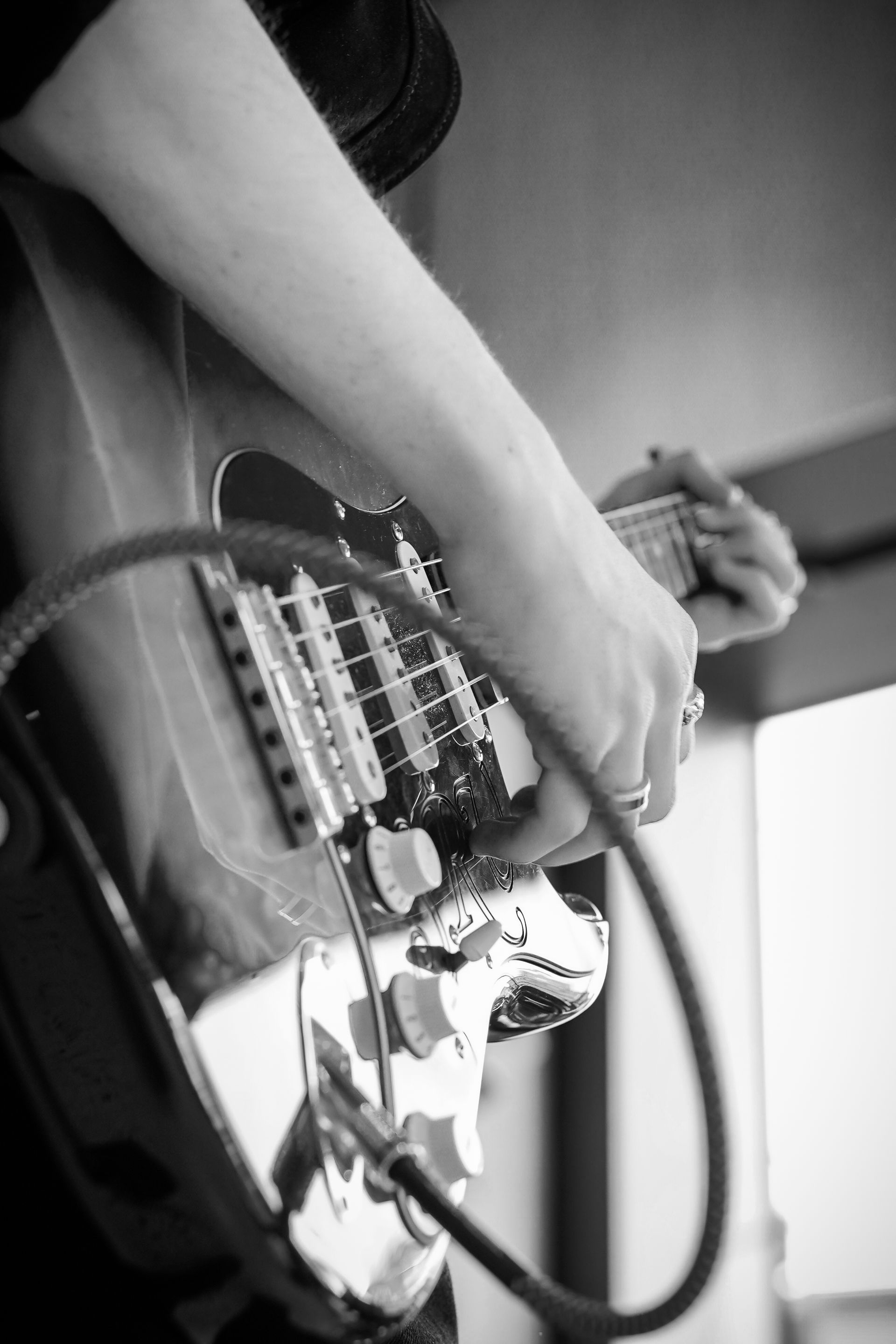
Looking for hobbies after work E14? Swap spreadsheets for strings. Discover why guitar is one of the best stress relief activities Canary Wharf locals enjoy.
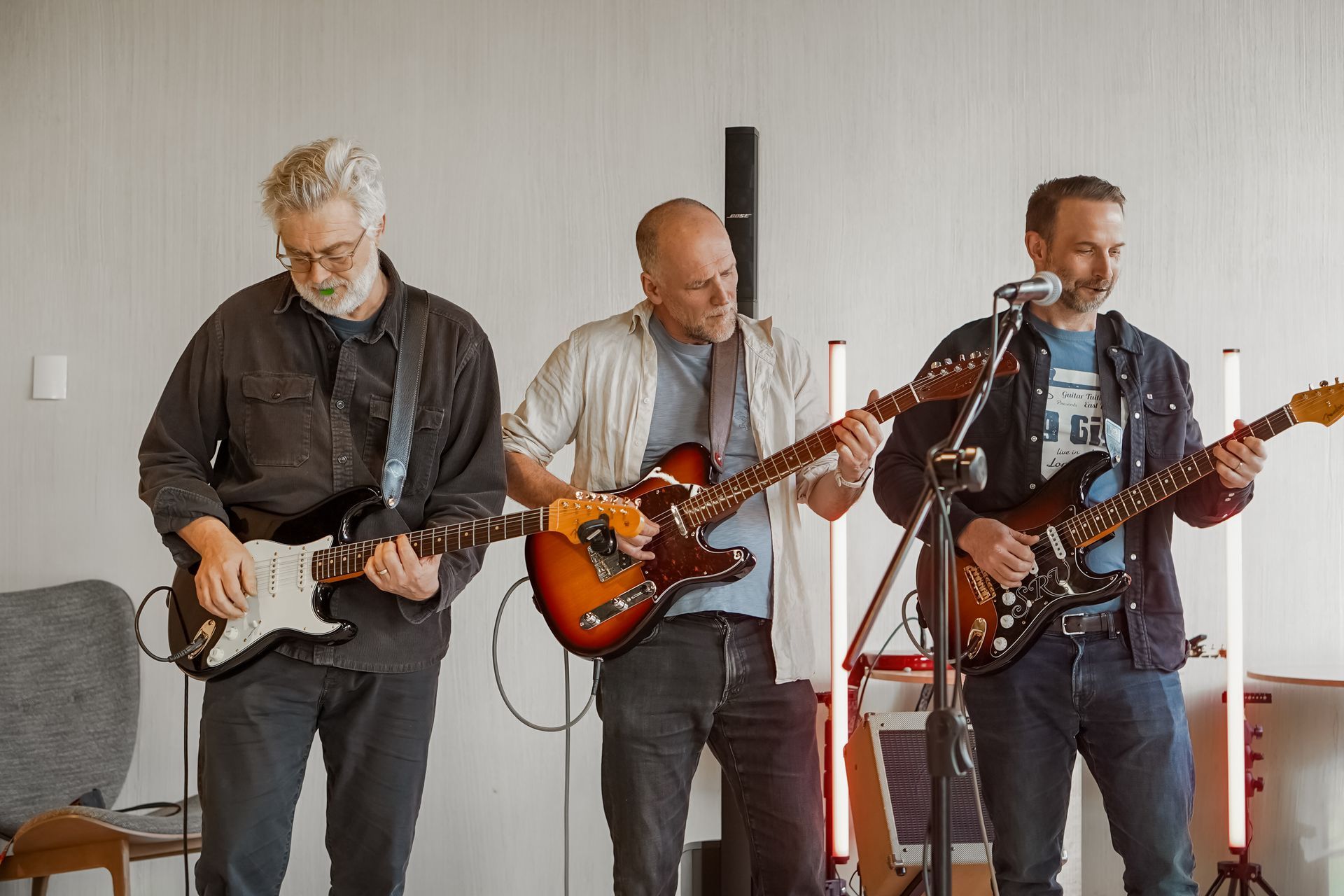
Move past the usual legends and discover four brilliantly underrated guitarists who truly shaped music history, from Rory Gallagher to Sister Rosetta Tharpe.
Want to sound like a rock legend on day one? Learn 10 famous guitar riffs that are actually really easy to play, from Nirvana to Led Zeppelin. Plug in today!

