Turn the Nerves Into Noise: How to Own Your First Open Mic

Let’s be honest: stepping onto a stage for the first time is a massive rush, but it’s naturally going to mess with your head a bit. You can play a song flawlessly a hundred times in your bedroom, but the moment you plug in and see actual faces looking back at you, your brain sometimes tries to hit the emergency stop button. It’s completely normal for your hands to feel a bit heavy or to suddenly overthink a basic G chord.
Performance anxiety is just part of the deal. Even the biggest touring musicians in the world still get that familiar spike of adrenaline before they walk out. The goal isn't to magically make the nerves disappear; it’s about taking that chaotic energy and putting it straight into your playing.
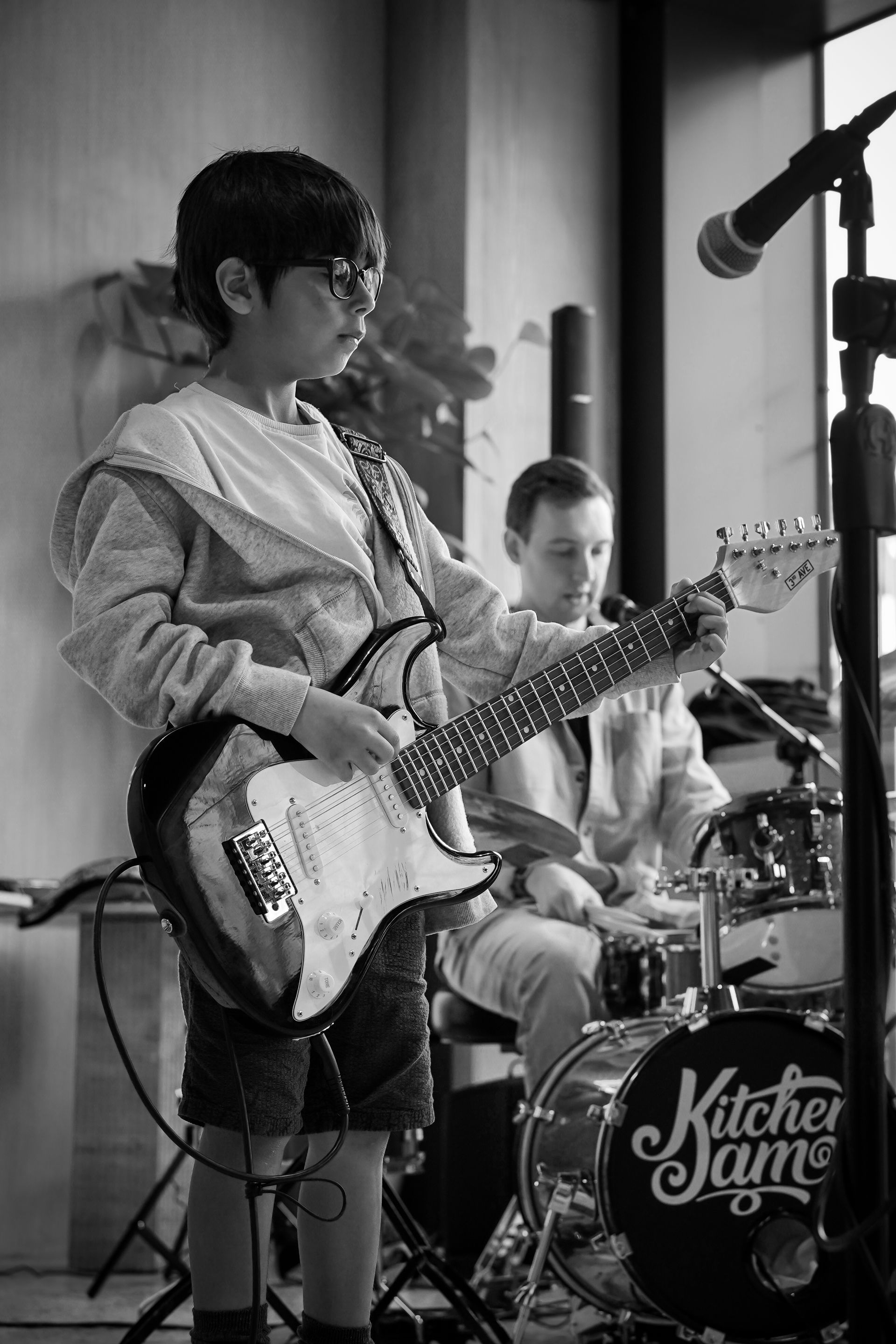
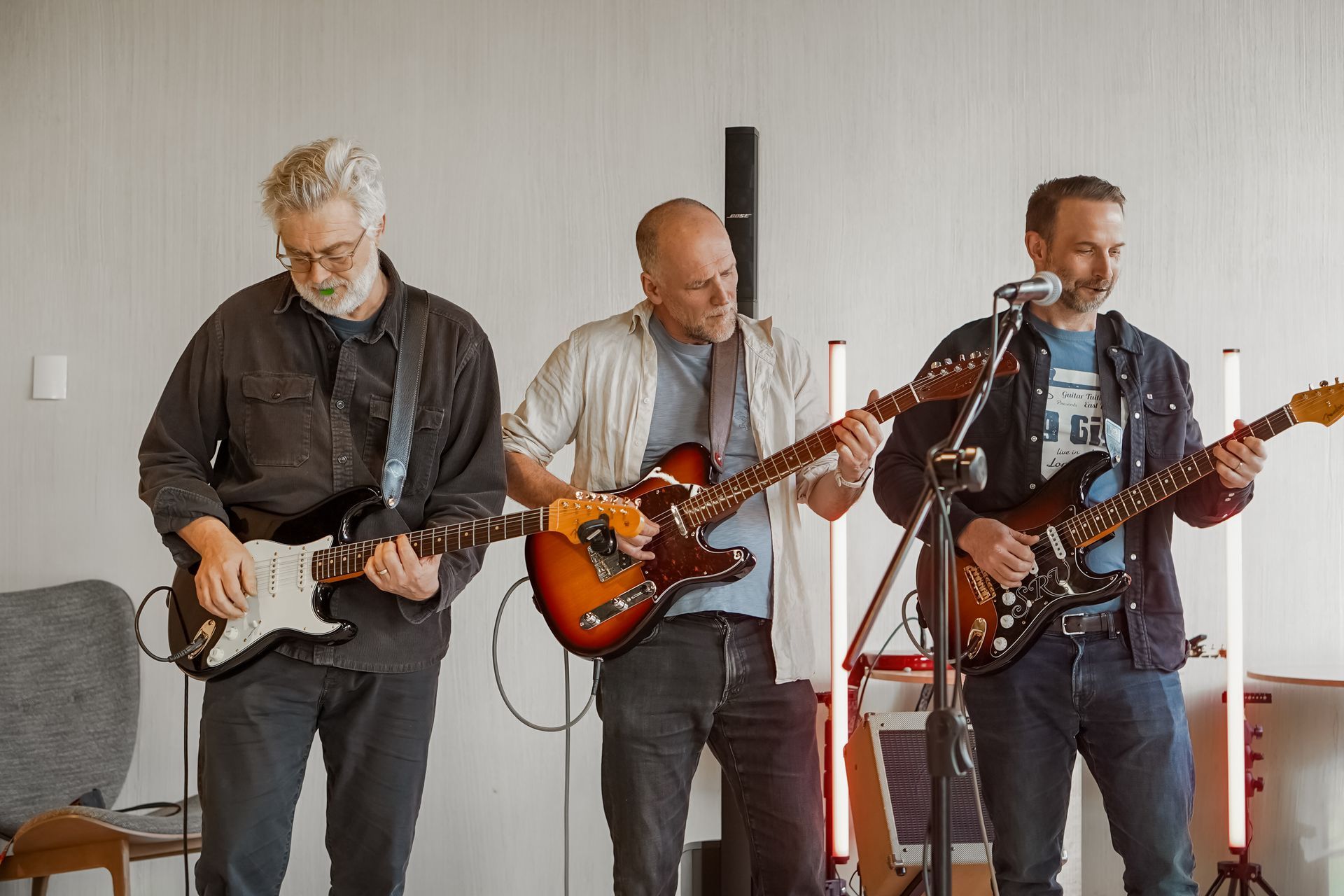
If you’ve got your first open mic or live set coming up, here is how you keep your cool, trust your hands, and actually own the room.
Muscle Memory is Your Safety Net
There is a famous saying among musicians: "Don’t practise until you get it right; practise until you can’t get it wrong." When the adrenaline hits, your conscious brain is going to be far too busy taking in the moment to remember song structures or lyric sheets.
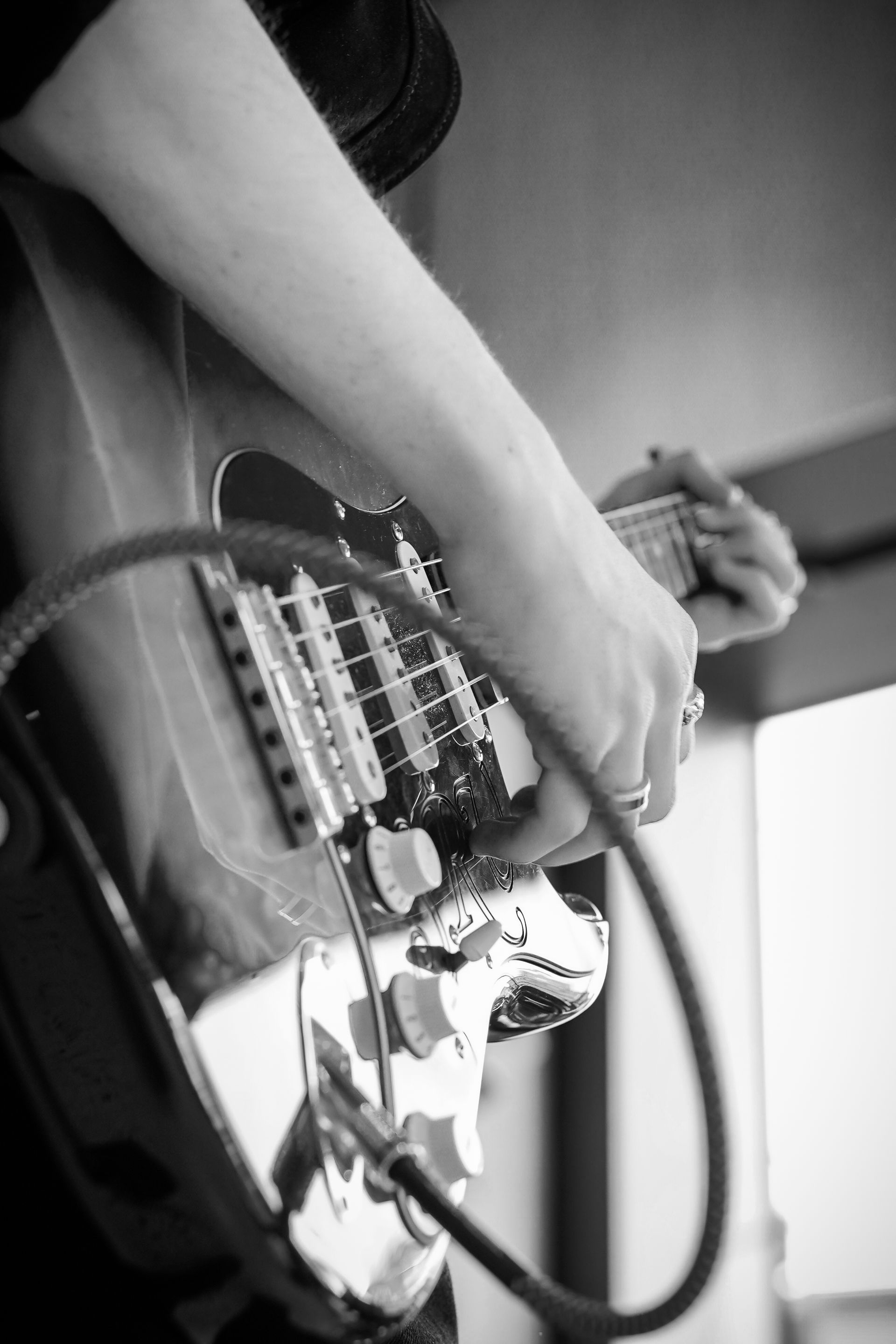
You need your hands to know the song so well that they can play it on autopilot. Rehearse standing up, rehearse in the dark, and rehearse with distractions. The more bulletproof your muscle memory is, the less you have to rely on your active thoughts when the spotlight hits.
The Crowd is on Your Side
When you’re nervous, it’s easy to look out at the audience and assume they are a panel of harsh critics waiting for you to fail. They aren't.
Think about the last time you watched someone perform. Did you want them to mess up? Of course not. The crowd is fundamentally rooting for you. They are just people at a venue hoping to hear some good live music. If you miss a note or fluff a lyric, they really don't mind. They want you to play well just as much as you do.

Don't Stop When You Drop a Note
Here is the most important rule of live music: if you make a mistake, do not stop playing, and whatever you do, do not apologise into the microphone.
If you hit a wrong chord, just slide into the right one and act like you meant to do it. Jazz musicians have been using that trick for decades. Most of the time, the audience won't even notice a mistake unless your body language gives it away. Keep the rhythm going, keep your head up, and just push through.
Ground Yourself Before the First Chord
When the nerves kick in, we tend to take shallow breaths and tense our shoulders. Before you play your first note, take three deep, slow breaths. Plant your feet firmly on the floor. It sounds a bit cliché, but physically grounding yourself tells your nervous system that you aren't actually in any danger.
The Aftermath
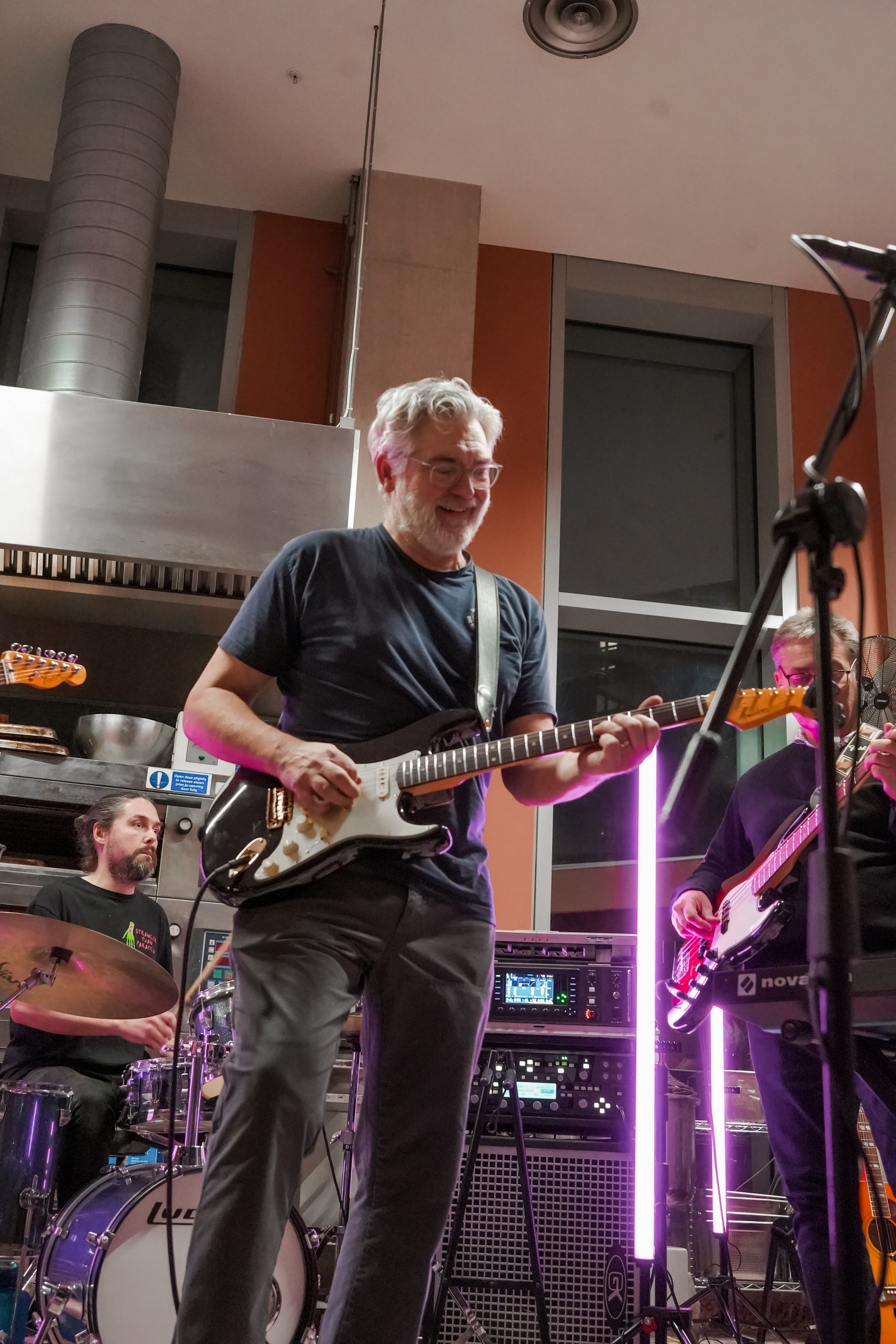
At the end of the day, your first gig is just about breaking the ice. It doesn't have to be a flawless stadium-level performance; it just has to happen. Once you strike that final chord and the room claps for you, the adrenaline turns into pure relief. You’ll realise the stress was entirely worth it, and you'll probably be wondering when you can get back up there.